- Exactly What You Need.
- (704) 558-7433
- (704) 960-1860
- hello@tillmaninsadv.com
How AI Is Transforming the Insurance Industry in 2026

The Rise of Mobile Apps in Insurance
April 16, 2026
Is AI Making Insurance Cheaper or More Expensive? Here’s What to Know
May 6, 2026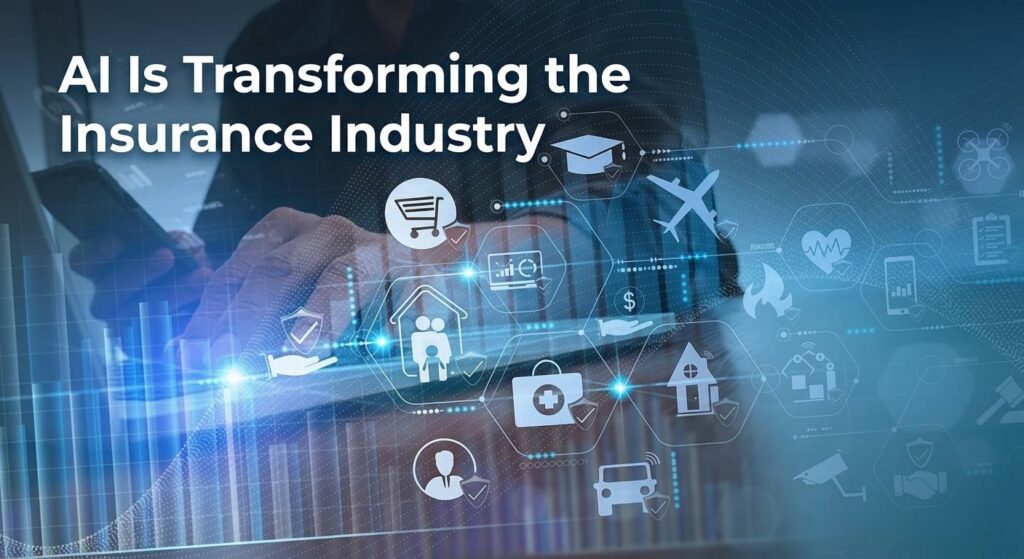
Artificial Intelligence (AI) is no longer a future concept. It’s actively reshaping the insurance industry in 2026.
From faster claims processing to personalized coverage recommendations, AI is helping insurers operate more efficiently while improving the overall customer experience. For policyholders, this means quicker service, more accurate pricing, and greater transparency.
Smarter, Faster Claims Processing
One of the most noticeable impacts of AI is in claims handling.
Traditionally, filing a claim could take days or even weeks to process. Today, AI-powered systems allow customers to:
- Submit photos of damage directly through mobile apps
- Receive near-instant preliminary estimates
- Track claim progress in real time
This not only reduces wait times but also minimizes manual errors and speeds up payouts.
Enhanced Customer Support
AI is also transforming how insurance companies interact with customers.
Many insurers now use AI-powered chatbots and virtual assistants to:
- Answer common policy questions
- Guide users through claims
- Provide instant support 24/7
This allows customers to get help when they need it—without waiting on hold or navigating complex systems.
Improved Fraud Detection
Insurance fraud has always been a challenge for the industry. AI is helping address this by analyzing large volumes of data to detect unusual patterns or inconsistencies.
By identifying potential fraud earlier, insurers can:
- Reduce unnecessary losses
- Keep premiums more stable
- Improve overall system integrity
Personalized Pricing and Risk Assessment
AI is also making insurance more personalized than ever before.
Instead of relying solely on general demographics, insurers can now assess risk using real-time data, including:
- Driving behavior (telematics)
- Lifestyle factors
- Claims history
This allows for more accurate pricing—rewarding lower-risk individuals while identifying potential risks more effectively.
What This Means for Policyholders
For customers, the benefits of AI are clear:
- Faster service
- More accurate claims handling
- Personalized coverage options
- Improved communication
At the same time, it’s important for policyholders to stay informed about how their data is being used and ensure they are comfortable with digital tools.
AI is not replacing the human side of insurance—it’s enhancing it.
At its core, insurance is still about protection, trust, and relationships. AI simply allows agencies and carriers to deliver those values more efficiently.
As the industry continues to evolve, staying informed about these changes can help you make smarter decisions about your coverage and overall risk management.