- Exactly What You Need.
- (704) 558-7433
- (704) 960-1860
- hello@tillmaninsadv.com
Is AI Making Insurance Cheaper or More Expensive? Here’s What to Know

How AI Is Transforming the Insurance Industry in 2026
April 22, 2026
Home Insurance Quote in Charlotte, NC: What Homeowners Should Know Before Choosing Coverage
May 19, 2026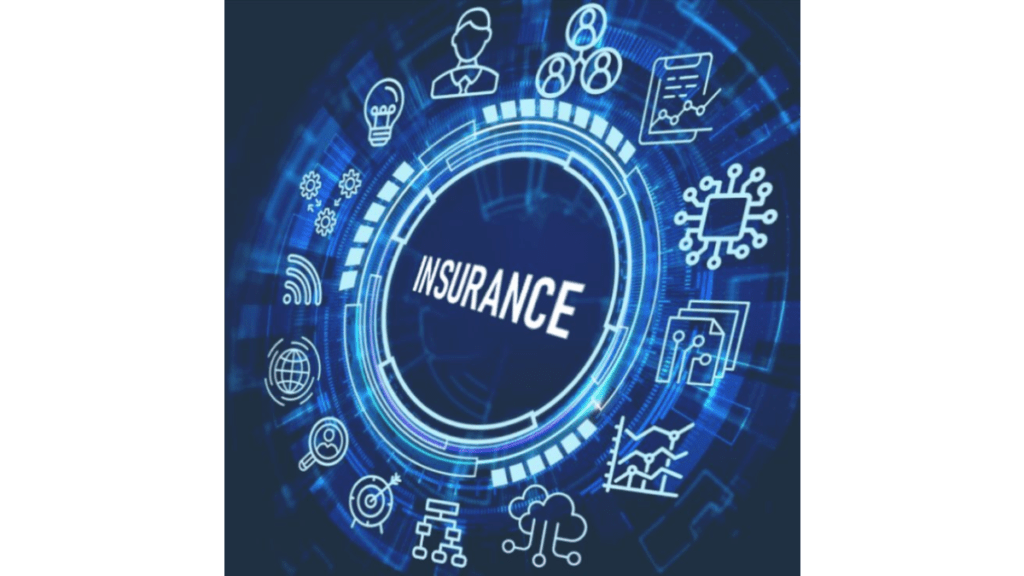
As Artificial Intelligence (AI) continues to reshape the insurance industry, many people are asking the same question:
Is AI helping lower insurance costs—or making them more expensive?
The answer isn’t one-size-fits-all. In reality, AI is doing both… depending on individual behavior and risk factors.
How AI Impacts Pricing
Traditional insurance pricing relied heavily on general factors like age, location, and claims history.
Today, AI allows insurers to go deeper by analyzing real-time and behavioral data, including:
- Driving habits
- Frequency of travel
- Lifestyle patterns
- Past risk behavior
This creates more personalized pricing models.
Why Some People Pay Less
For lower-risk individuals, AI can lead to cost savings.
For example:
- Safe drivers may receive discounts through telematics programs
- Individuals with fewer claims may benefit from better rates
- Low-risk behaviors are rewarded more accurately
This shift encourages safer habits while offering financial incentives.
Why Some People May Pay More
On the other hand, higher-risk behavior may lead to increased premiums.
AI can identify patterns such as:
- Frequent hard braking or speeding
- High-risk driving times
- Repeated claims activity
This level of detail allows insurers to adjust pricing more precisely, which can result in higher costs for higher-risk individuals.
Increased Transparency and Fairness
One of the advantages of AI-driven pricing is transparency.
Instead of broad assumptions, pricing is based more on actual behavior. This can make insurance feel more fair, especially for those who actively manage their risk.
However, it also raises questions about data usage and privacy, making it important for consumers to understand what information is being collected.
The Role of Telematics
Telematics—technology that tracks driving behavior—is a major driver of AI-based pricing.
Programs that monitor:
- Speed
- Braking
- Time of day
- Mileage
are becoming more common and play a key role in determining rates
What This Means for You
AI is shifting insurance from a generalized system to a personalized one.
To potentially lower your costs:
- Practice safe driving habits
- Be mindful of risk-related behaviors
- Take advantage of usage-based programs if they fit your lifestyle
AI isn’t simply making insurance cheaper or more expensive—it’s making it more precise.
For some, that means savings. For others, it may mean higher costs. But overall, it creates a system that more accurately reflects individual risk.
As the industry continues to evolve, staying informed can help you make better decisions about your coverage and how you manage your risk.